Quick answer
Homeowners insurance generally covers sudden water damage from inside the home, like a burst pipe. Flood insurance — usually through the NFIP — covers rising water from outside. After a hurricane you may need claims with both.
Published · General information, not legal or insurance advice.
Why this matters in the Valley
The Rio Grande Valley is flat, close to the Gulf and prone to flash flooding. The March 2025 storms flooded homes in Harlingen, McAllen and across the region, and Hurricane Hanna in 2020 flooded neighborhoods throughout Hidalgo and Cameron counties. After events like these, many families are surprised to learn that their homeowners policy may not cover the damage. This guide explains the general difference in plain language. It is not insurance advice — always confirm with your agent or insurer.
What homeowners insurance usually covers
A standard homeowners policy is generally designed for sudden and accidental damage from inside the home — a burst pipe, a failed water heater, an overflowing washing machine. Some policies may also respond when wind or wind-driven rain damages your roof or windows and water enters from above. Coverage depends on your policy's wording and endorsements.
What flood insurance usually covers
Flood insurance covers damage from rising water — water that comes from outside and enters at ground level, such as flash flooding, overflowing resacas or drainage ditches, and storm surge. Most flood policies in Texas are written through the National Flood Insurance Program (NFIP), run by FEMA, though private flood insurance is also available.
NFIP policies have separate coverage for the building and for contents, each with its own limits. There is usually a waiting period — often 30 days — before a new flood policy takes effect, so it's not something you can buy when a storm is in the forecast. You don't have to live in a high-risk flood zone to buy flood insurance.
When both policies may be involved
During a hurricane, a home can be damaged by both wind and rising water. In that case, you may need to open claims with both your homeowners insurer and your flood insurer, and each will look at the damage it covers. Clear documentation of where water came from and what it damaged helps both.
How we help
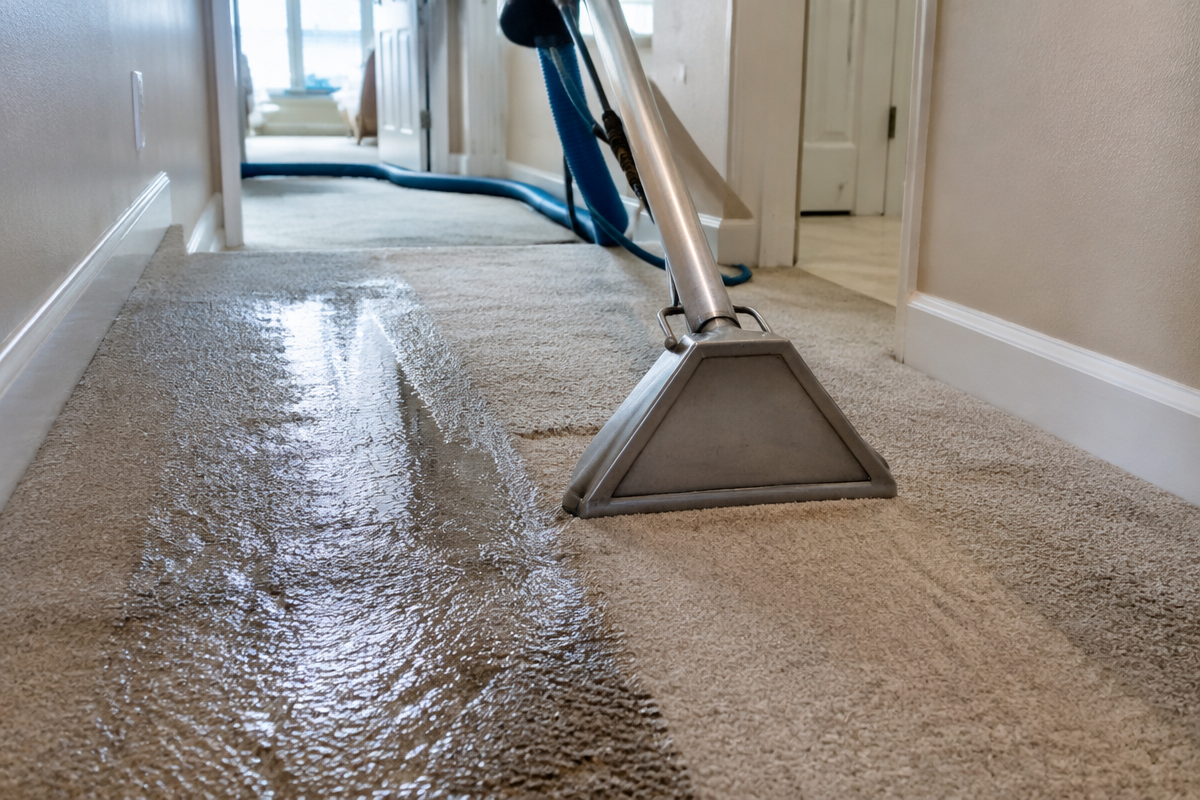
We can't tell you what's covered — only your insurers can. What we do is document everything your insurer needs — photos, moisture readings and daily drying logs — and record where water entered and how high it reached. We work with all insurance companies and can bill your insurance directly when coverage applies.
- Take photos and video before cleanup starts
- Note the height of the water line on walls
- Call your insurer(s) to open a claim as soon as you're safe
- Start mitigation quickly — most policies expect you to prevent further damage
Fast, professional drying is the best way to prevent mold. If mold is found, we refer you to a TDLR-licensed mold professional, as Texas law requires.