Quick answer
Category 1 is clean water (supply lines), Category 2 is gray water with some contamination (washer discharge), and Category 3 is black water (sewage, flood water). The higher the category, the more materials must be removed and sanitized.
Published · General information, not legal or insurance advice.
Why water category matters
Not all water damage is the same. Restoration professionals classify water by how contaminated it is, because that decides how it must be handled, what protective equipment is needed and which materials can be dried and saved versus removed. Knowing the category helps you understand why one leak might only need drying while another requires tearing out carpet and drywall.
Category 1: Clean water
Category 1 water comes from a sanitary source and doesn't pose a significant health risk at the start. Examples include a broken supply line, an overflowing sink with no contaminants, a failed water heater or an ice-maker line leak. Many materials soaked by Category 1 water can be dried in place if drying starts quickly.
But clean water doesn't stay clean. As it sits and touches building materials, dust and soil, it can degrade to Category 2 within a day or two — faster in the Valley's heat.
Category 2: Gray water
Category 2 water contains some contamination and could cause illness if ingested. Common sources are washing machine and dishwasher discharge, toilet overflows with urine but no feces, and some AC condensate situations. Gray water requires cleaning and antimicrobial treatment in addition to drying, and carpet pad usually needs to be replaced.
Category 3: Black water
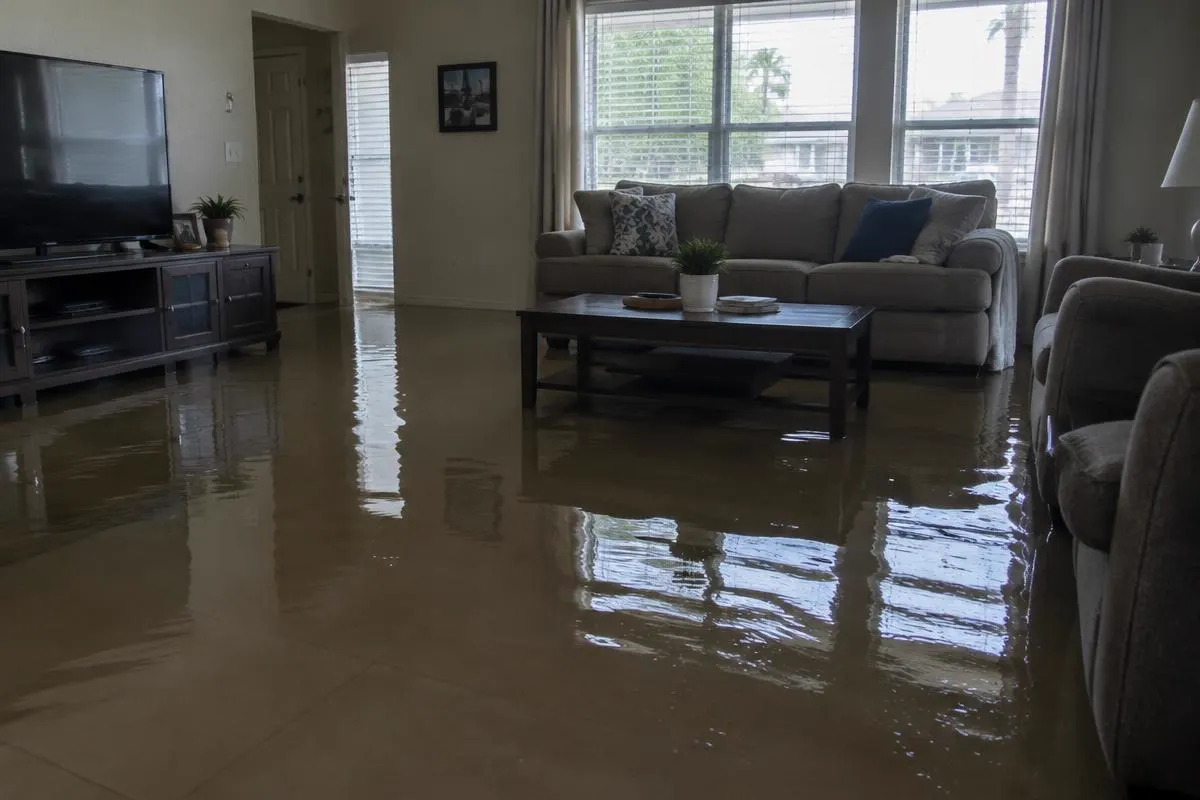
Category 3 water is grossly contaminated and can carry bacteria, viruses and other harmful agents. Sewage backups, toilet overflows with feces and outside flood water — the kind that hits the Valley during flash floods and hurricanes — are all Category 3. Porous materials like carpet, pad, drywall and insulation that touch black water generally must be removed. Hard surfaces need thorough cleaning and sanitizing. Technicians wear protective equipment and use containment.
What this means for you
When we arrive, we identify the water category and explain what it means for your home. We document it with photos and notes, along with moisture readings and daily drying logs, for your insurer.
- Category 1 — act quickly and many materials can be saved.
- Category 2 — expect cleaning and some material removal, especially pad.
- Category 3 — avoid contact, keep children and pets away, and expect removal of porous materials.
- Any category — the sooner drying starts, the less damage and the lower the mold risk.
Fast, professional drying is the best way to prevent mold. If mold is found, we refer you to a TDLR-licensed mold professional, as Texas law requires.